Rethymno travel tips
Rethymno Travel Tips: What to Know Before You Visit
Must-know tips before visiting Rethymno, Crete. A practical, easy-to-read guide for planning your trip: language, money, weather, mobile data, plugs, safety, local etiquette, and the small details that make Crete feel easier from day one.
Before you arrive in Rethymno
Rethymno is a relaxed destination, but Crete is still a large island with hot summers, mountain roads, and busy high-season travel days. These basics help you avoid the common first-day mistakes.
- Do not plan Crete by distance alone. Roads through villages and mountains can take longer than expected. Always check driving time, especially for the south coast.
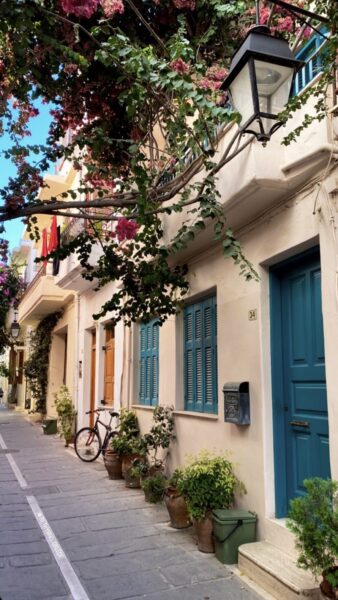
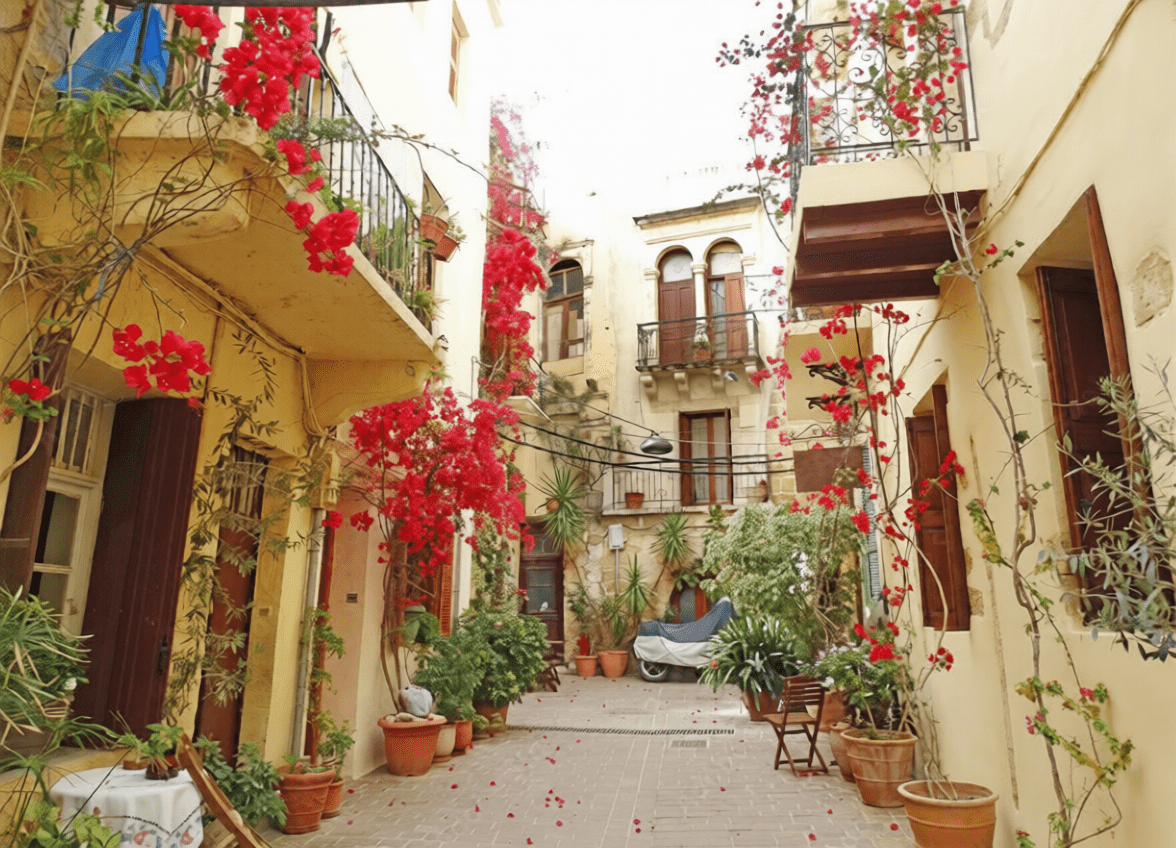
- Use Rethymno Old Town as a walking destination. The narrow lanes, harbour, shops, restaurants, and Fortezza are best explored on foot, not by car.
- Keep a little cash with you. Cards are widely accepted, but small businesses, markets, taxis, village stops, and tips may be easier with euros.
- Book early for July and August. Hotels, car rentals, popular restaurants, beach days, and guided activities can fill quickly in peak season.
Language tips for Rethymno
Greek is the official language in Rethymno and across Greece. In hotels, restaurants, shops, tours, and most visitor areas, English is widely spoken. Still, learning a few simple Greek words is one of the easiest ways to make interactions warmer.
Useful Greek words
Try Kalimera for good morning, Efharisto for thank you, and Parakalo for please or you are welcome.
Offline help
Download Greek in a translation app before you travel, especially if you plan to visit villages, monasteries, or less touristy places.

Currency, cards and cash in Rethymno
Greece uses the euro. Credit and debit cards are common in Rethymno, especially in hotels, restaurants, supermarkets, and larger shops. Even so, cash is still useful for smaller purchases and more local stops.
ATMs and exchanging money
ATMs are available around Rethymno. Many travelers find that withdrawing euros with a debit card is easier than using exchange booths, but check your bank fees before you travel.
Travel money cards
Wise and Revolut can be useful for international travelers who want to manage exchange rates and card fees. Keep a backup card separate from your main wallet.
Local tip: Small tavernas, market stalls, rural cafes, beach parking, and taxis may not always be as card-friendly as central Rethymno. Carrying some euros saves awkward moments.
Airport arrival and transfer tips
Rethymno does not have its own airport, so most visitors arrive through Chania or Heraklion. Both airports can work well; the best choice depends on flight times, price, and where else you plan to travel in Crete.
Arriving from Chania Airport
Chania Airport is often convenient for travelers focusing on western Crete, Chania, Rethymno, Balos, Elafonissi, or a slower west-side itinerary.
Arriving from Heraklion Airport
Heraklion Airport can be useful if you also want to visit Knossos, central Crete, Agios Nikolaos, or eastern Crete before or after Rethymno.
Transfer or rental car?
If you are staying mainly in Rethymno Old Town, a transfer first can be easier. Rent a car only for the days you plan to explore beaches, villages, and mountain roads.
Plan your first evening gently
After a flight and transfer, keep the first night simple: check in, walk the Old Town, eat nearby, and save longer drives for the next day.
Rethymno weather by season
Rethymno has a Mediterranean climate, with hot, dry summers and milder winters. What you pack should depend on whether your trip is focused on beaches, sightseeing, hiking, or quiet off-season exploring.
Hot summer days
Expect strong sun and beach weather, often above 30°C. Pack lightweight clothing, sunscreen, sunglasses, a hat, swimwear, and a reusable water bottle.
Best for exploring
Spring and autumn are excellent for sightseeing, walking, villages, food, and day trips. Pack layers and comfortable shoes.
Mild winter travel
Winter is quieter and better for Old Town walks, museums, local life, and archaeological sites. Bring a light jacket and shoes that can handle rain.
Best months for most travelers: May, June, September, and early October are especially lovely for Rethymno because the weather is usually warm, the sea is inviting, and the busiest summer crowds are easier to avoid.
Mobile internet, SIM cards and eSIMs
Wi-Fi is widely available in hotels, cafes, and restaurants in Rethymno, but mobile data is helpful for maps, beach directions, translation, parking, ferry updates, and messaging while exploring Crete.
Local SIM cards
Greek providers such as Cosmote, Vodafone, and Nova offer prepaid SIM options. This can work well for longer stays, but you may need to visit a shop and show identification.
eSIM options
If your phone supports eSIM, services like Airalo can be a simple option because you can buy a Greece data plan before arrival and activate it when you land.
Stay connected in Crete with an eSIM
An eSIM is useful if you want maps, WhatsApp, restaurant bookings, beach routes, and translation without relying only on hotel Wi-Fi. Check your phone compatibility before purchasing.
View Greece eSIM optionsDriving, parking and beach safety
A car makes it much easier to explore beyond Rethymno town, but it is worth planning your driving days thoughtfully. Old Town streets can be narrow, parking fills quickly in high season, and south coast routes often take longer than expected.
- Park around the edge of the center. Avoid driving deep into the Old Town. Use public parking areas and walk in from there.
- Allow extra time in summer. Traffic, parking, and beach access can take longer in July and August, especially around popular beaches.
- Check sea and wind conditions. Some beaches can be windy or wavy. Pay attention to local advice and beach flags where available.
- Pack beach basics. Sunscreen, water, a hat, and water shoes are useful for hot days, rocky areas, and longer beach stops.
Electricity and charging
Greece uses Type C and Type F electrical outlets, with 230V supply voltage and 50Hz frequency. European travelers may already have compatible plugs, while visitors from the UK, US, Canada, Australia, and many other countries will usually need an adapter.
- Bring a universal adapter. A compact adapter with USB ports is helpful if you are charging more than one device.
- Pack a power bank. It is useful for long beach days, road trips, hiking, and heavy map use.
- Check voltage for hair tools. Some devices may need a converter, not just a plug adapter.
Health, safety and emergencies
Rethymno is generally a comfortable and safe destination for visitors. The usual travel awareness still applies: protect your belongings, keep copies of documents, stay hydrated, and know what to do if you need help.
Emergency number
Call 112 for emergency help in Greece. It is the EU-wide emergency number and can connect travelers with the right support.
Pharmacies
Pharmacies are common in Rethymno and are usually marked with a green cross. They are useful for sunburn, bites, minor illness, and basic travel health needs.
Travel insurance
Travel insurance is strongly recommended, especially if you are driving, hiking, visiting remote beaches, taking boat trips, or traveling with children.
Document safety
Keep a digital copy of your passport, insurance, driving license, and booking details. Store originals safely when you do not need them.
Local etiquette and smarter travel habits
Rethymno is welcoming, but the best trips happen when visitors move with a little awareness of local rhythm, weather, and culture.
- Dress respectfully at monasteries and churches. Bring a light layer or scarf if you plan to visit religious sites.
- Eat at a slower pace. Meals in Crete are not meant to feel rushed. Leave time for conversation, small plates, and local wine.
- Know the tipping rhythm. Tipping is appreciated but not usually pressured. Rounding up or leaving about 5-10% for good service is a kind gesture.
- Ask locally about tap water. Tap water is generally safe in many parts of Crete, but some visitors prefer bottled water. Your accommodation can tell you what is best for the exact area.
- Protect yourself from the sun. In summer, plan walking and sightseeing for earlier or later in the day, then rest or swim during the hottest hours.
- Use water wisely. Crete can be dry in summer. Refill a reusable bottle where appropriate and avoid unnecessary waste.
Rethymno travel tips FAQ
Helpful answers for travelers planning their first visit to Rethymno or building a wider Crete itinerary.
Do people speak English in Rethymno?
Yes, English is widely spoken in hotels, restaurants, shops, and most tourist areas. Learning a few Greek words is still appreciated.
What currency is used in Rethymno?
Rethymno uses the euro, like the rest of Greece. Cards are common, but cash is useful for small businesses, taxis, markets, and villages.
Do I need mobile data in Crete?
It is strongly recommended. Mobile data helps with maps, parking, restaurant bookings, beach routes, translation, and messaging while exploring outside your hotel.
What plug adapter do I need for Greece?
Greece uses Type C and Type F plugs with 230V and 50Hz. Travelers from outside Europe will usually need a plug adapter.
Is Rethymno safe for travelers?
Rethymno is generally safe, but use normal travel precautions. Keep valuables secure, avoid leaving items visible in cars, and keep copies of important documents.
What is the emergency number in Greece?
Call 112 for emergencies in Greece. It is the EU-wide emergency number.
Which airport is best for Rethymno?
Both Chania and Heraklion airports can work for Rethymno. Chania often suits western Crete itineraries, while Heraklion can be useful if you also plan to visit central or eastern Crete.
Can you drink tap water in Rethymno?
Tap water is generally safe in many parts of Crete, but local conditions can vary and some visitors prefer bottled water. Ask your hotel or host for the most accurate advice for your area.
When is the best time to visit Rethymno?
May, June, September, and early October are excellent for warm weather, sightseeing, beach time, and fewer crowds than peak summer.
Plan Rethymno with confidence
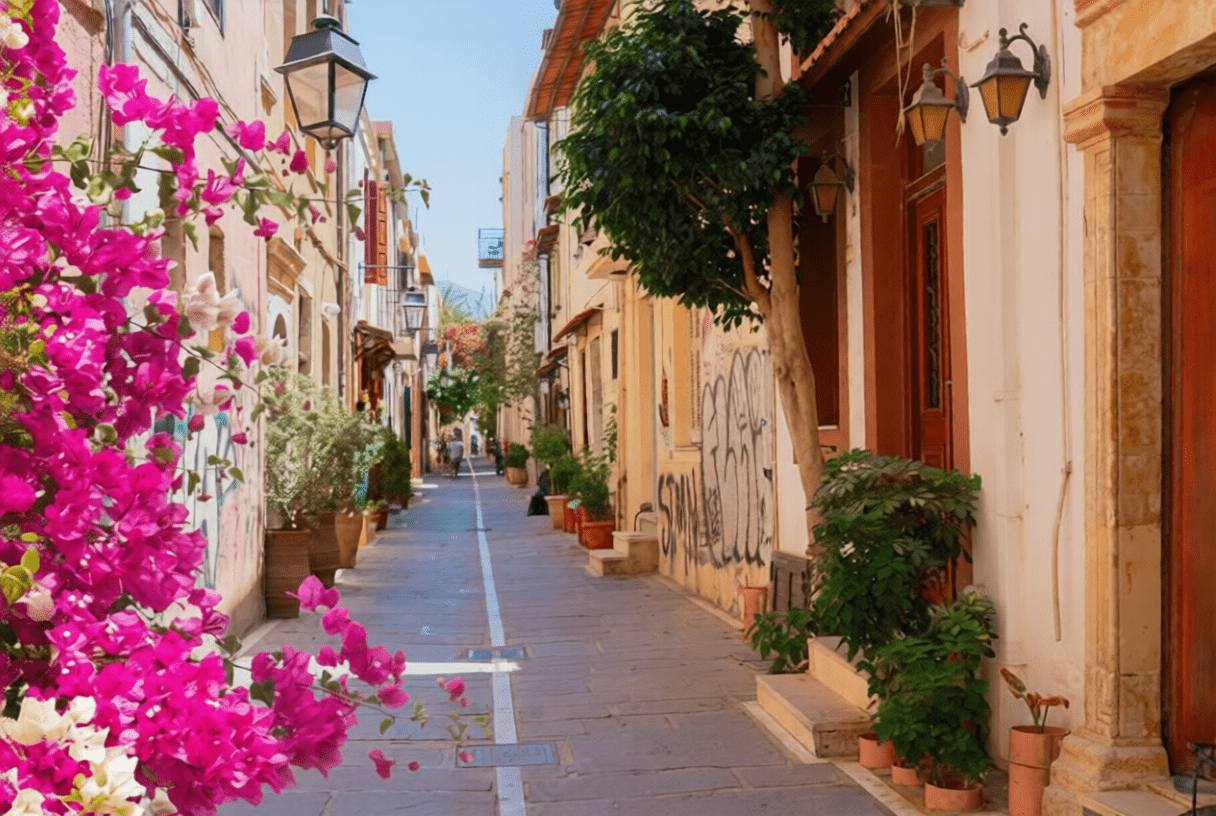
Once the practical details are sorted, you can focus on the best parts: Old Town walks, Cretan food, beaches, villages, Venetian history, and slow golden evenings by the sea.