
South coast of Rethymno
Triopetra Beach: Three Rocks, Wild Sea, Golden Light
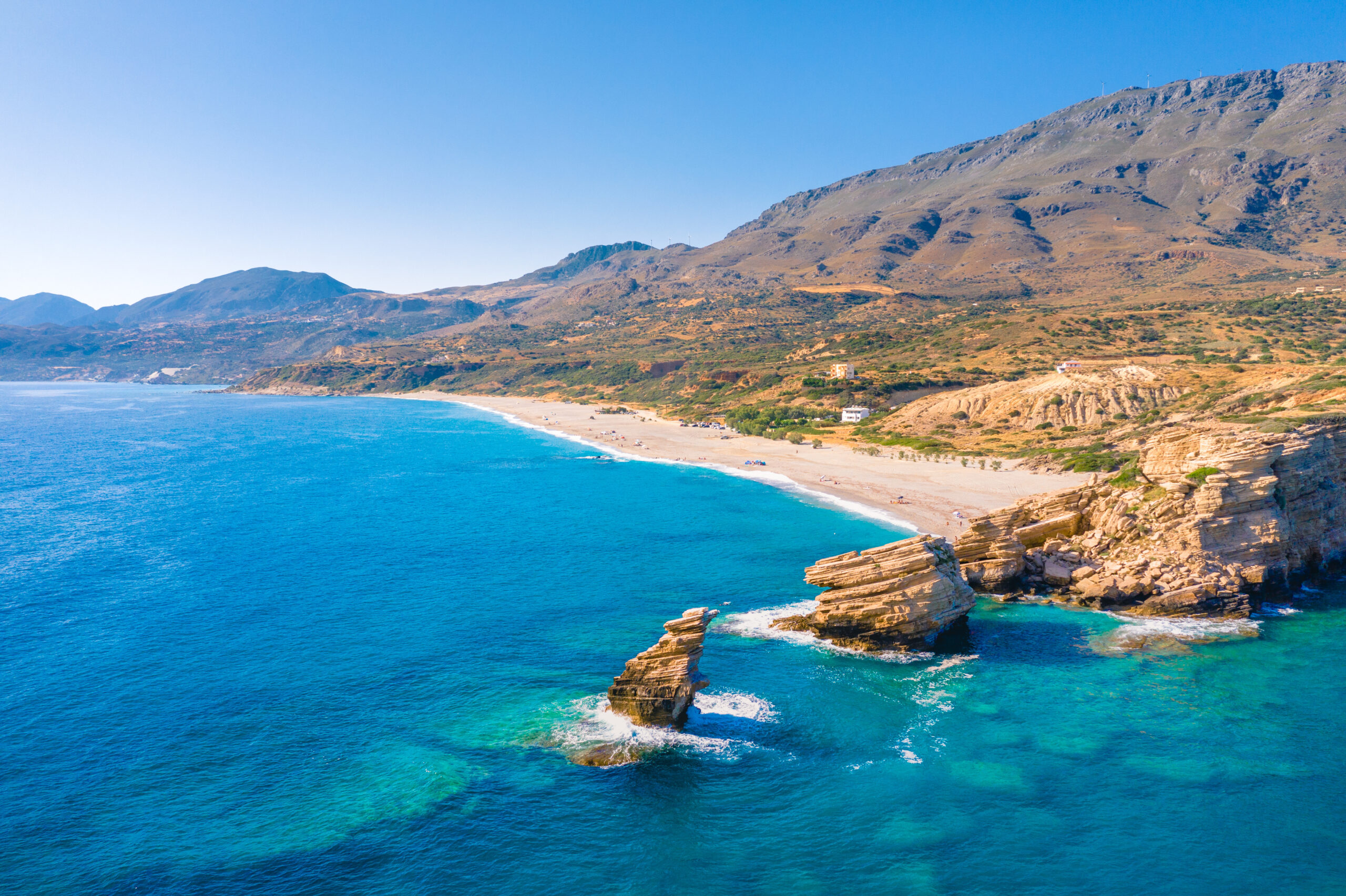
Triopetra is one of southern Crete’s most atmospheric beaches: wide horizons, sculpted cliffs, the famous three sea stacks, and a quieter, more elemental feeling than the busy north coast.
Why visit Triopetra Beach?
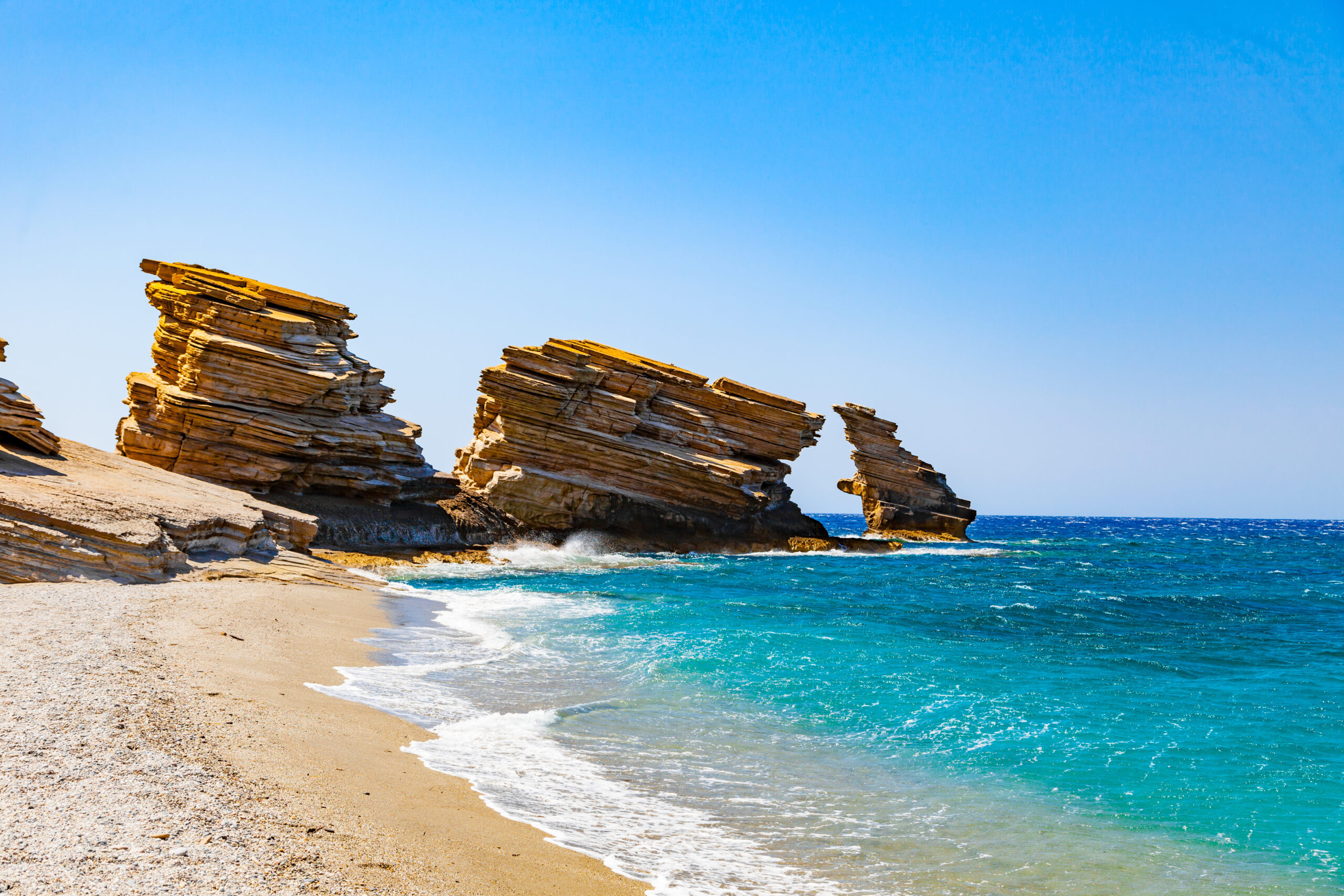
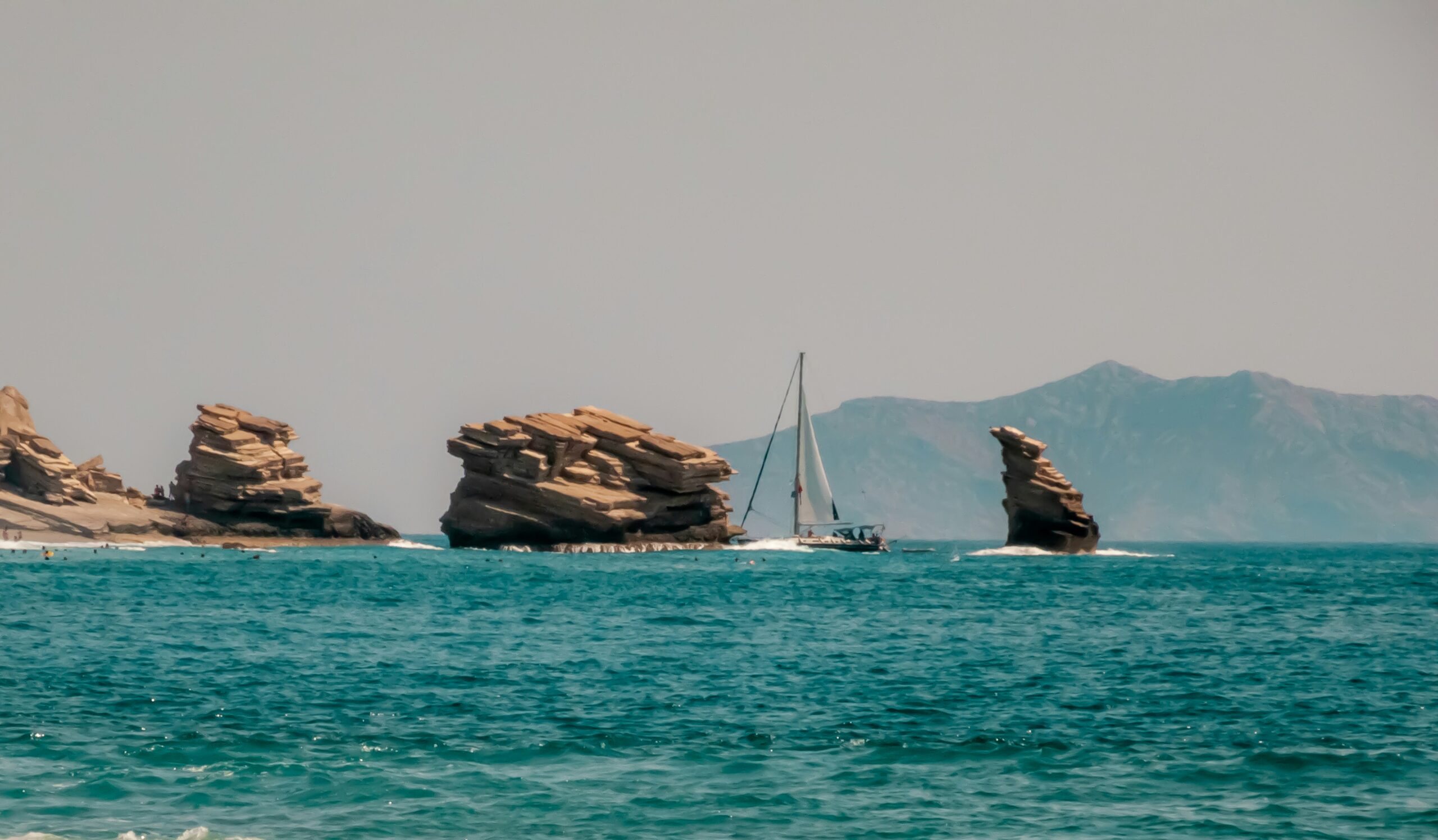
Triopetra gets its name from the three dramatic rocks rising from the sea at the edge of the beach. The landscape feels open and wild: coarse sand, layered rock, olive-covered hills, and the kind of southern-Crete light that makes everything look cinematic near sunset.
This is not the beach to choose for endless rows of facilities or a polished resort feel. It is the beach to choose when you want space, atmosphere, a taverna meal by the sea, a swim with a huge horizon, and the feeling that you found a more rugged side of Crete.
Megali Triopetra or Mikri Triopetra?
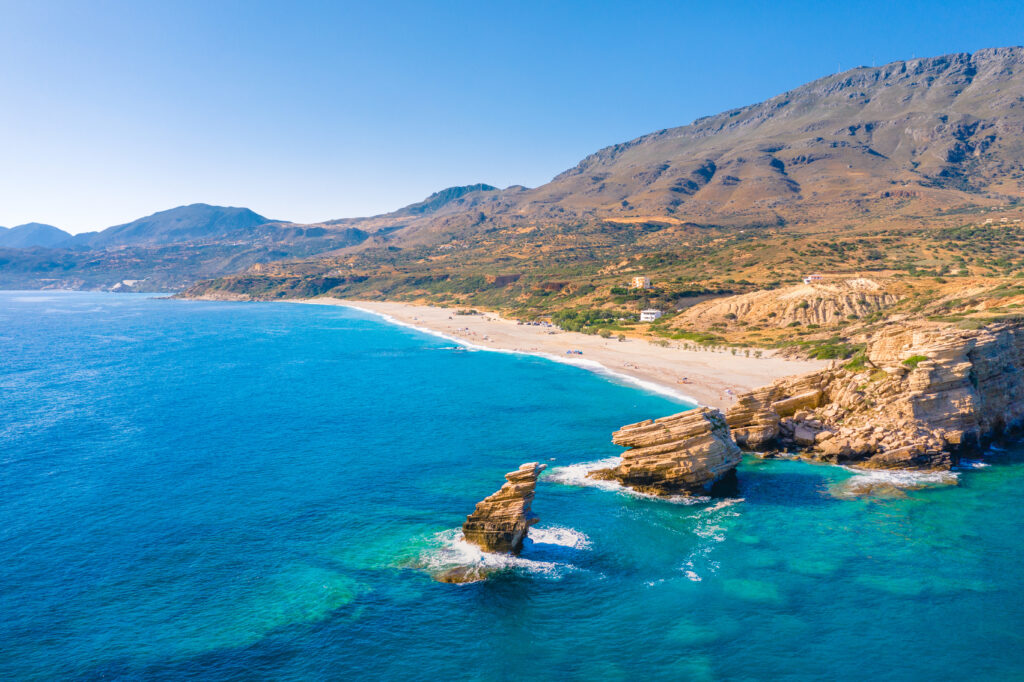
Triopetra is really two neighboring beaches separated by a rocky headland. Most visitors can enjoy both, but each has a slightly different mood.
Megali Triopetra
Megali Triopetra, or Big Triopetra, is the longer and more open stretch. Choose it for space, big views, long swims, sunset walks and the most dramatic sense of the south coast. The sea can be more active here when winds pick up.
Mikri Triopetra
Mikri Triopetra, or Small Triopetra, feels more intimate and sheltered. It is often the better choice for easier swimming, snorkeling around rocky edges, and a slower family-friendly beach stop when conditions are calm.
Things to do at Triopetra Beach
Clear Libyan Sea water
Swim when conditions are calm, especially around Mikri Triopetra. The southern coast can get wind and swell, so always read the sea before going far out.
Short coastal walks
Walk the headland, look for viewpoints over the rocks, and take in the raw coastline. Wear decent shoes if you plan to wander beyond the sand.
Sunset and golden hour
Late afternoon is magic here. The rocks, cliffs and water catch warm light beautifully, making Triopetra one of Rethymno’s best sunset beaches.
Simple seaside tavernas
Expect relaxed, local meals: grilled fish, salads, meze, olive oil, Cretan cheese and slow dinners with the sound of the sea nearby.
Rocky edges and clear water
Bring a mask and water shoes. Snorkeling is best around rocky edges on calm days, but avoid slippery rocks and rough conditions.
Make it more than a quick stop
Triopetra rewards lingering. If you can, arrive early or late, swim, eat, walk, and let the place shift with the light.
How to get to Triopetra Beach from Rethymno
Triopetra sits roughly 50-60 km south of Rethymno town. The drive usually takes around 60-80 minutes depending on your route, stops and road conditions. You pass through inland countryside before dropping toward the Libyan Sea, so the journey is part of the experience.
A rental car is the easiest and most flexible option. Taxis are possible but can be expensive for a return trip, and public transport is not convenient enough for most visitors planning a relaxed beach day.
Driving tips
- Leave extra time for winding roads and photo stops.
- Arrive earlier in summer for easier parking.
- Bring water, sun protection and some cash.
- Avoid rushing the return after dark if you dislike mountain roads.
Where to stay near Triopetra
Accommodation near Triopetra is quieter and more independent than the resort areas of northern Crete. Think guesthouses, villas, simple rooms and countryside stays rather than big hotel strips.
Best time to visit Triopetra
Best overall
May, June, September and October are the sweet spot: warm enough for swimming, lighter crowds, softer weather and beautiful light.
Peak summer
July and August are hot and busier, but Triopetra still feels calmer than many northern beaches. Bring shade, water and patience for parking.
Winter and windy days
The scenery can be dramatic, but swimming is not recommended when the sea is rough. Check conditions and treat the beach as a wild viewpoint.
Best time of day
Late afternoon into sunset is especially beautiful. If you are driving back to Rethymno after dark, leave time and avoid rushing.
Nearby places to combine with Triopetra
Triopetra works beautifully as part of a south-coast day trip or a slower two-day escape.
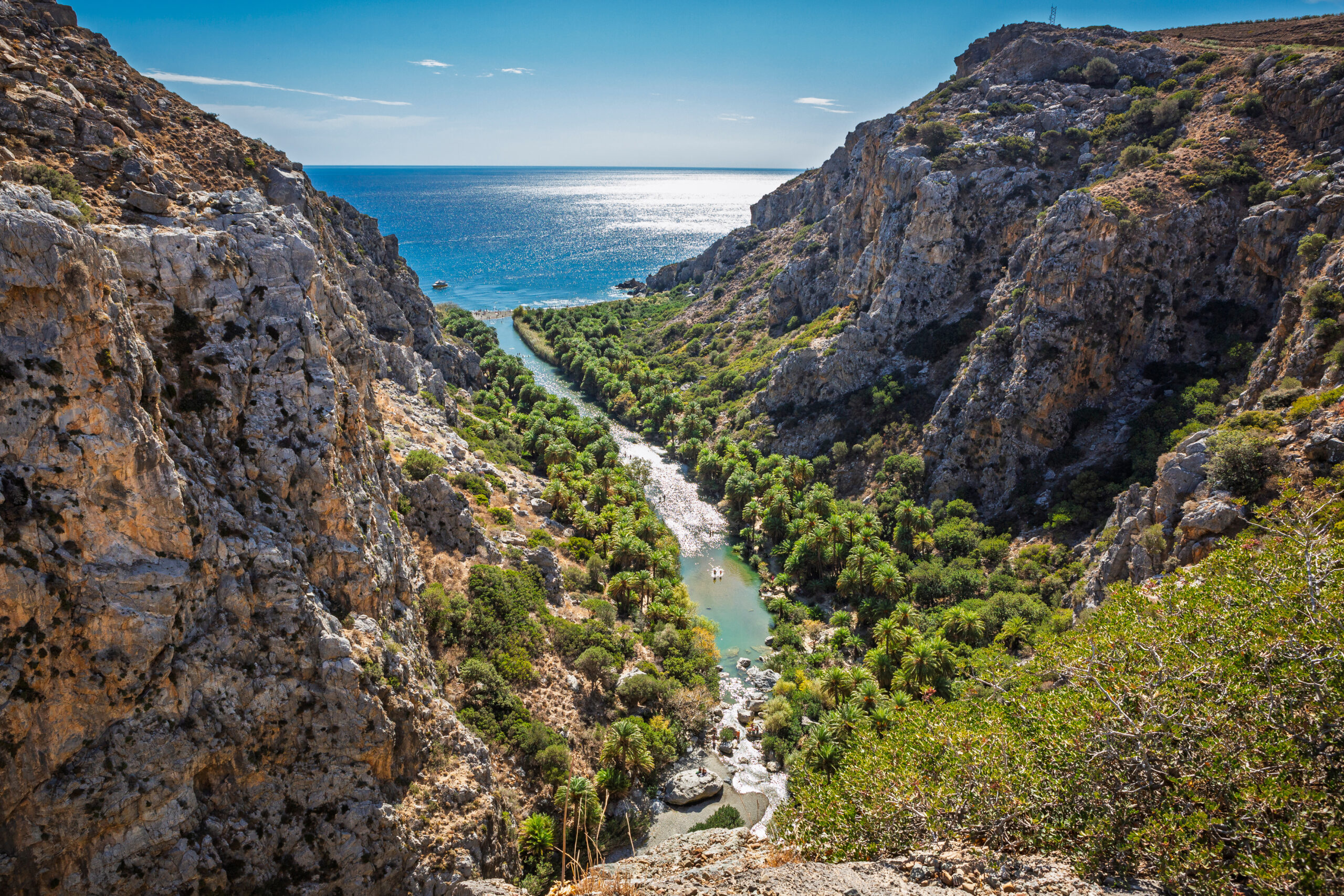
Preveli Beach
Preveli’s palm forest and river feel lush and cinematic beside Triopetra’s open, rugged coast. See the full Preveli Beach guide.
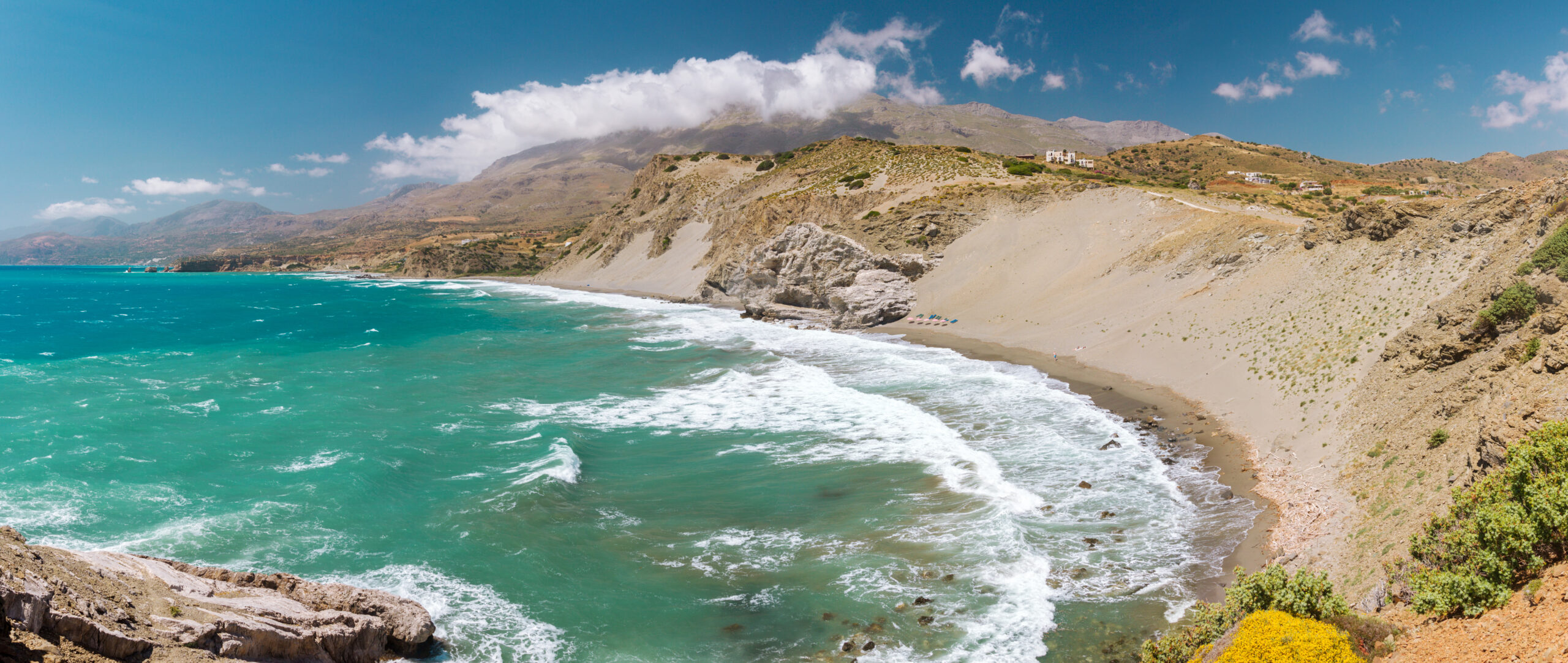
Agios Pavlos
A relaxed south-coast bay with dunes, tavernas and a slower rhythm. It pairs well with Triopetra if you have a car and a full day.
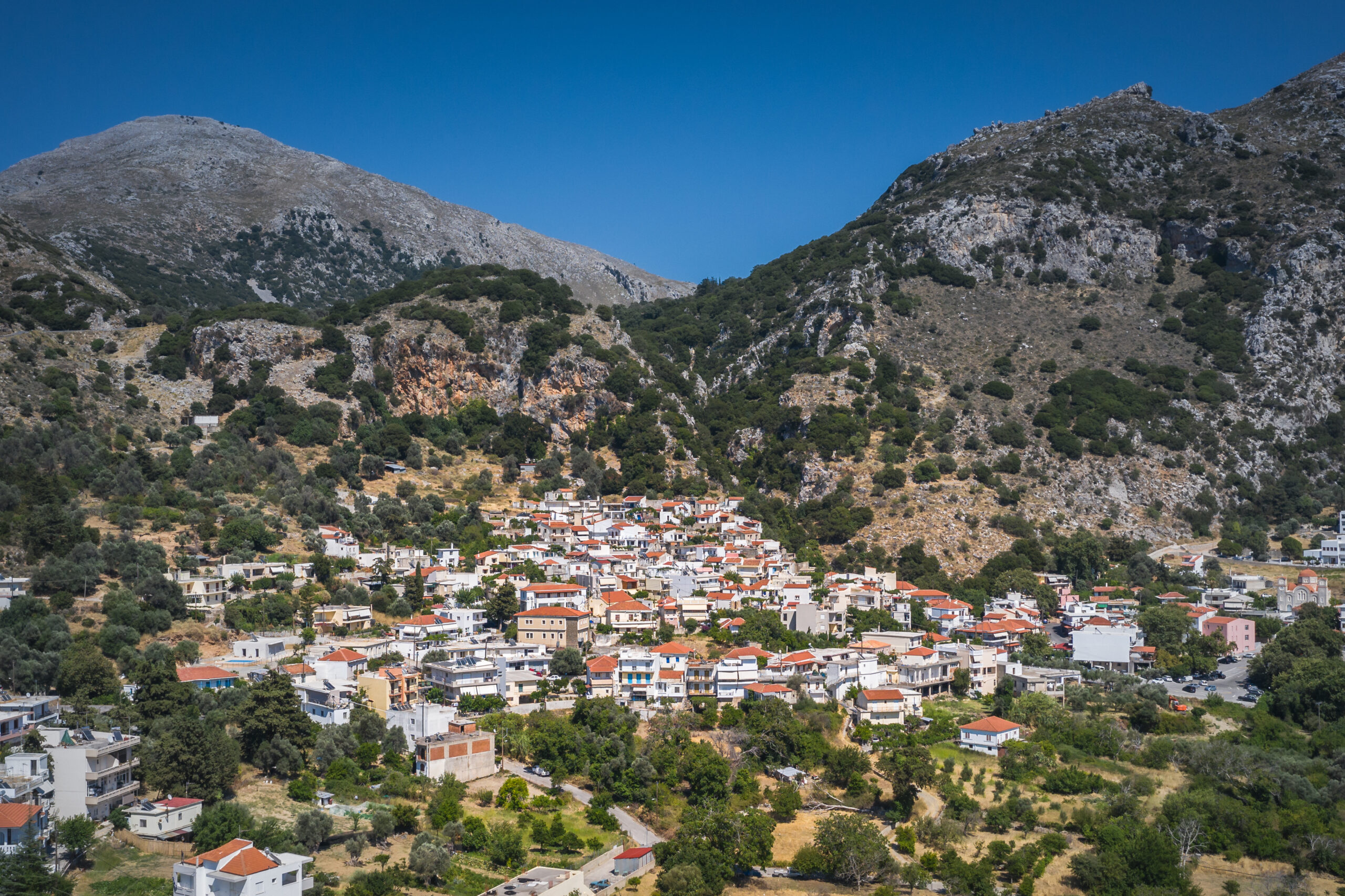
Spili and villages
Stop in traditional villages for coffee, fountains, local food and a softer inland contrast before or after the coast.
Triopetra map
Use the map to understand the beach’s south-coast position before planning your drive.
Practical tips for Triopetra Beach
Bring shade
Shade is limited, especially on Megali Triopetra. Bring a hat, sunscreen and an umbrella if you plan to stay for hours.
Pack water shoes
The beach can be coarse and rocky in places, and water shoes help if you explore around the headland or snorkel.
Carry cash
Small tavernas and rural businesses may not always be card-first, so cash is useful for food, coffee or simple beach purchases.
Watch the wind
The south coast can be windier and rougher than expected. If the sea looks strong, stay shallow and avoid rocky edges.
Respect the landscape
Take rubbish with you, avoid trampling coastal plants, and keep noise low around quiet stretches and local properties.
Plan the return
If you stay for sunset, remember that the drive back to Rethymno includes rural and mountain roads.
Frequently asked questions about Triopetra Beach
Is Triopetra Beach worth visiting?
Yes, especially if you like wild scenery, quieter beaches, sunsets and south-coast road trips. It is less polished than northern resort beaches, which is exactly why many travelers love it.
Do you need a car for Triopetra?
A car is strongly recommended. Public transport is limited, taxis can be expensive for the return journey, and a car lets you combine Triopetra with Preveli, Agios Pavlos or nearby villages.
Is Triopetra Beach family-friendly?
It can be, especially around Mikri Triopetra when the sea is calm. Families should still be careful because lifeguards are not guaranteed and sea conditions can change.
Are there facilities at Triopetra?
Facilities are limited compared with organized north-coast beaches. You may find tavernas and basic services in season, but bring water, sun protection and anything essential.
When is the best time to visit Triopetra?
May, June, September and October are ideal. July and August are hotter but still beautiful. Late afternoon is especially good for photography and sunset.
Want a custom trip to Triopetra?
Get a personalized itinerary with transport planning, beach timing, nearby villages, tavernas, photo stops and a realistic route for the kind of day you actually want.
Make the south coast easy
Triopetra is best when the timing is right. A custom plan can help you avoid wasted driving, choose the right nearby stops, and build a day that feels relaxed instead of rushed.
Final take: Triopetra is for slow, scenic beach days
Come to Triopetra for space, wild beauty, the three rocks and unforgettable light. Bring a car, give yourself time, respect the sea, and let this south-coast beach be more than a quick stop on the map.

