
Rethymno in July: Weather, Beaches & Things to Do
Planning a trip to Rethymno in July? Here is the honest guide to the heat, sea conditions, busiest hours, best beaches, summer activities, and the simple daily rhythm that makes the month much more enjoyable.
- Highs around 30°C / 86°F
- Sea around 25°C / 77°F
- Peak summer season
- Best for 3–7 days
Is July a good time to visit Rethymno?
Yes, if your ideal Crete trip is built around warm sea, reliable beach weather, long evenings, and plenty of atmosphere. July is one of the hottest and busiest months, so it works best when you explore early, slow down during the hottest part of the day, and return to town in the evening.
It is less suitable if you want empty lanes, cool hiking weather, or the lowest room rates. For a quieter balance, late June or September may suit you better.
What to expect before you book
Why July works
- Excellent beach and swimming weather
- Long days and active evenings
- Full choice of tours and seasonal businesses
- A festive, energetic atmosphere
The trade-offs
- Midday heat can limit sightseeing
- Popular beaches and streets feel busy
- Rooms and cars usually cost more
- Parking takes more patience
Rethymno in July weather
July in Rethymno is typically sunny, hot, and dry. Coastal breezes can make the heat feel more manageable, but the sun is strong and the weather should shape your schedule rather than sit in the background.
Rain is uncommon, and clear skies are the norm. Exact averages vary slightly by dataset and weather station, so treat these figures as planning guidance, not a forecast. Check the local forecast and sea conditions again before any beach or boat day.
Wind matters as much as temperature. A breezy day can create waves along the north coast, including Rethymno Beach, while exposed south-coast areas can also become windy. If the water looks rough, ask locally, follow beach flags, and choose a more sheltered option.
Smart July habit: carry water, use high-SPF sun protection, wear a hat, and do not schedule exposed ruins or long walks for the hottest hours.
How crowded is Rethymno in July?
July is firmly in peak season. The Old Town is busiest from late morning into the evening, the central beachfront fills early, and parking close to the historic centre becomes harder. That does not mean every moment feels packed: the experience changes considerably by hour and location.
Start before 9:00 for quieter lanes and cooler photos. On beach days, arrive early or go later in the afternoon as some visitors begin to leave. Reserve the activities that would disappoint you to miss, but leave enough flexibility to change beaches if the wind picks up.
- Accommodation: book early if location, a pool, parking, or a sea view matters.
- Rental car: reserve before arrival and confirm where you can park overnight.
- Restaurants: reserve special dinners; stay flexible for casual tavernas.
- Tours: book popular boat trips and small-group experiences ahead.
Best things to do in Rethymno in July
The strongest July itinerary mixes water, history, and slow evenings. These six experiences give you that balance without asking you to spend every day in the car.
Swim at Rethymno Beach
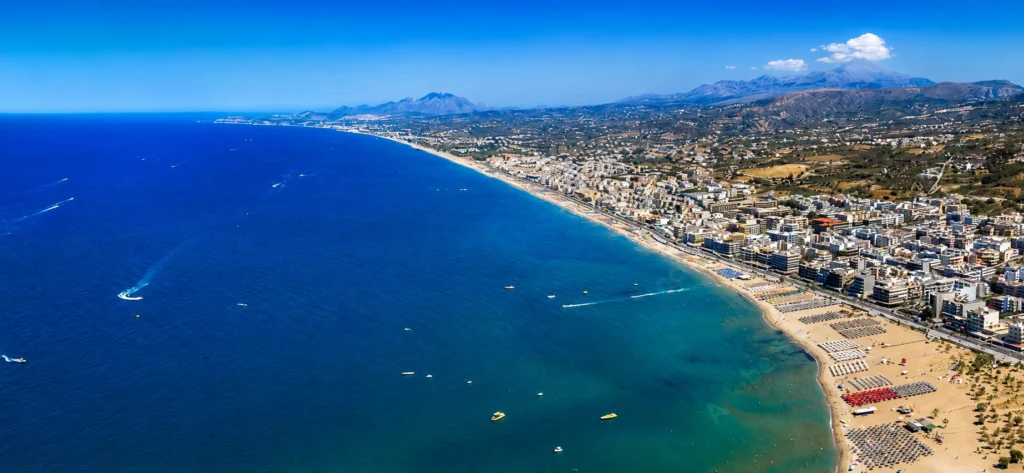
The long sandy city beach is the easiest choice for a low-effort swim. Go early for cooler sand and a wider choice of loungers.
Plan a Rethymno Beach dayWalk the Old Town after the heat
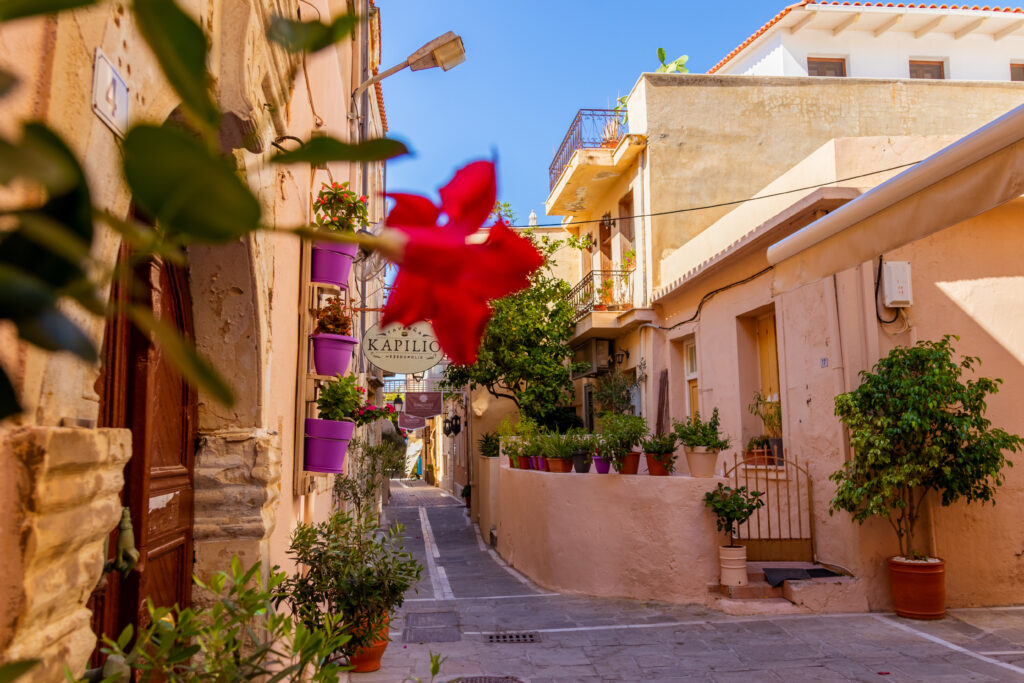
Venetian lanes, small shops, fountains, and the harbour are most enjoyable in the morning or as the light softens before dinner.
Explore Rethymno Old TownVisit the Fortezza early
The hilltop fortress has broad views but limited shade. Make it your first stop of the day or visit closer to evening.
Add it to an Old Town routeTake a south-coast day trip
Pair Plakias with a nearby cove or village. The drive crosses the island and turns a beach day into a scenic outing.
Read the Plakias guideCheck the July calendar
Summer brings concerts, cultural evenings, village celebrations, and changing seasonal events. Confirm dates before planning around one.
See current Rethymno eventsSlow down in a village
Trade a packed attraction list for a mountain or inland village, a shaded coffee stop, and a long taverna meal.
Find more places to exploreBest beaches near Rethymno in July
There is no single best beach every day. Use location, driving time, shade, and wind to choose. If you have a car, keep two options in mind and make the final call after checking that morning’s conditions.
Rethymno Beach
Long, sandy, organized, and beside the city. Best for convenience and an early swim before sightseeing.
Beach detailsPlakias Beach
A broad beach with town facilities and easy access to other southern coves. Allow roughly 40–55 minutes by car.
Beach detailsDamnoni Beach
A scenic south-coast option near Plakias with clear water and an easy beach-day setup.
Beach detailsPreveli Beach
Known for its palm-lined river setting. It is popular in July, so go early and expect an approach that takes more effort.
Beach detailsBali beaches
A sequence of compact bays east of Rethymno. Arrive early because parking and beach space become tight in peak season.
Beach detailsSchinaria Beach
A smaller south-coast choice that appeals to swimmers and snorkelers. Check road and sea conditions before setting out.
Beach detailsNot sure where to start? Compare more options in the complete Rethymno beaches guide.
What to pack for Rethymno in July
Keep it light, but do not underestimate the sun or the amount of walking you may do on stone streets and beach paths.
- High-SPF sunscreen and after-sun care
- Wide-brim hat and sunglasses
- Refillable water bottle
- Breathable clothing for hot days
- Light layer for breezy evenings or boats
- Comfortable sandals or shoes with grip
- Swimwear and quick-dry towel
- Water shoes for pebbly coves
- Small day bag for beach drives
- Offline maps for rural routes
A 3-day Rethymno in July itinerary
Three days are enough for a strong introduction if you avoid overloading the hottest hours. Add more days for a second south-coast trip, villages, or slower beach time.
Old Town and city beach
Walk the Old Town early, visit the Fortezza, rest at lunch, swim at Rethymno Beach, then return to the harbour for dinner.
Easy beach day
Choose Rethymno Beach or the Bali coves, keep the afternoon unhurried, and check the events calendar for the evening.
South-coast escape
Leave early for Plakias, Damnoni, or Preveli. Pick one main beach, add a village meal, and return before driving tired.
Staying longer? Use the Rethymno travel guide to build a 5-day or 7-day trip without repeating the same type of day.
Who should visit in July?
Choose July if you want
- Warm sea and dependable beach days
- A lively Old Town after dark
- A full range of tours and activities
- A family trip tied to school holidays
Consider June or September if you want
- Fewer peak-season crowds
- More comfortable daytime exploring
- More choice at shorter notice
- A calmer, more flexible pace
Rethymno in July FAQ
Is Rethymno too hot in July?
It can feel very hot around midday, especially away from the coast. Most visitors manage it comfortably by sightseeing early, resting or swimming during the hottest hours, and exploring again in the evening.
Is the sea warm in Rethymno in July?
Yes. The sea is commonly around 25°C / 77°F, although wind and local currents can change how it feels on a particular beach.
Is Rethymno crowded in July?
July is a peak month, so central streets and famous beaches are busy. Early starts, advance bookings, and less obvious beaches make the trip feel easier.
Do I need a car in Rethymno?
No car is needed for the Old Town and city beach. A rental car is useful if south-coast beaches, inland villages, or a flexible regional itinerary are priorities.
Are there events in Rethymno in July?
July normally has a busy cultural calendar, but dates change each year. Check the current events hub and confirm details with the organizer before travelling to a specific event.
How many days do I need in Rethymno?
Three days cover the Old Town, city beach, and one day trip. Five to seven days allow time for both coasts, villages, events, and slower beach days.
Weather figures are typical climate averages, not a live forecast. Always check current heat, wind, sea, and access conditions before setting out.

